Many people buy a screen protector when they buy a phone to protect the screen. There are many screen protectors on the market, including the well-known tempered glass and hydrogel screen protectors. Many people wonder: which is better, hydrogel or tempered glass?
Many people buy a screen protector when they buy a phone to protect the screen. There are many screen protectors on the market, including the well-known tempered glass and hydrogel screen protectors. Many people wonder: which is better, hydrogel or tempered glass?
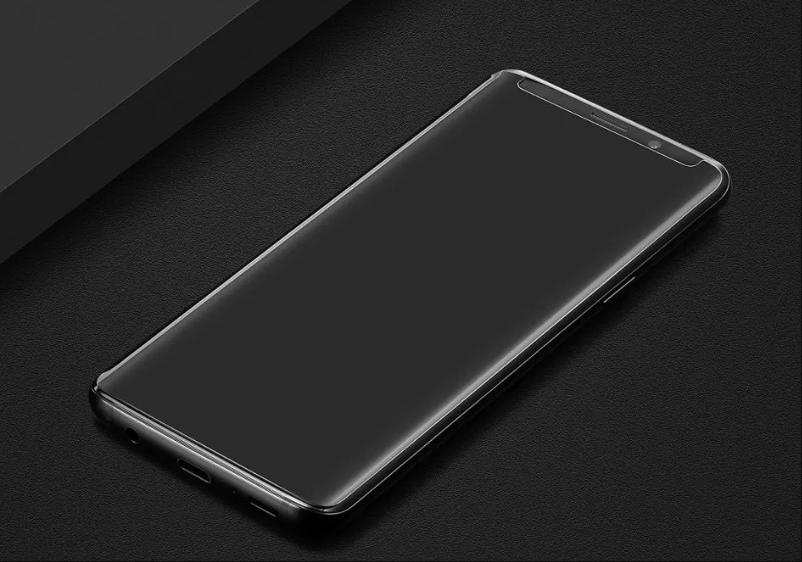 Tempered glass screen protector
Although this type of screen protector is thicker, its quality is superior to other screen protectors, making it the most common choice. It's especially useful for those who frequently drop their phones, as its high hardness makes it more durable and drop-resistant. However, this screen protector isn't suitable for curved phones.
Advantages
Tempered glass screen protectors, also known as tempered screen protectors, are, as the name suggests, made of tempered glass. The advantages of tempered screen protectors include high hardness, wear resistance, and scratch resistance. Furthermore, they offer excellent screen protection in the event of a drop. Another major advantage of tempered screen protectors is their low cost and affordability, making them more accessible to consumers.
Disadvantages
Tempered glass films are generally thick, which can easily degrade a phone's touch performance. This drawback is particularly noticeable on phones with in-display fingerprint sensors, potentially rendering them insensitive or even inoperable. Furthermore, because tempered glass films are made of glass, while inherently hard, they are also brittle and prone to cracking and even shattering. Another unacceptable issue is that many phones now have 2.5D curved screens, which prevent tempered glass films from fully covering the entire screen. Severe cases of tempered glass films can result in significant warping and white edges, which is truly unacceptable for those with obsessive-compulsive disorder.
Hydrogel Film
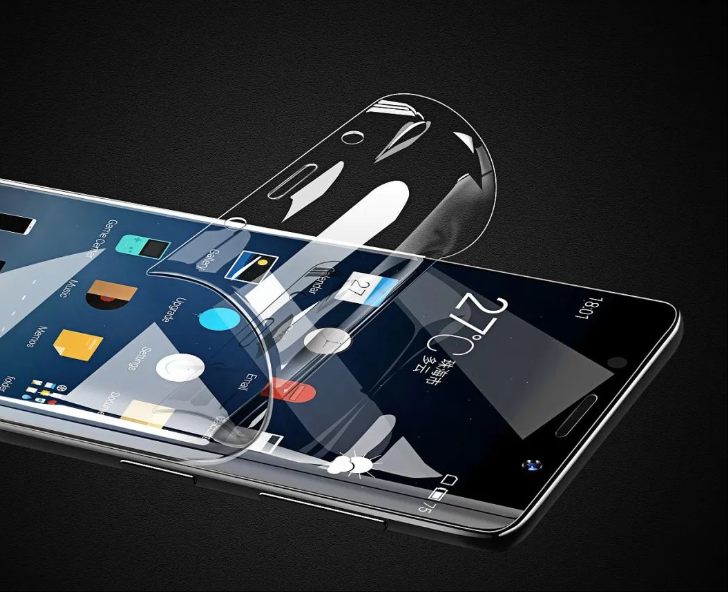
Hydrogel film may sound fancy, but it's actually made from common PET or TPU materials—simply plastic. Currently, higher-end hydrogel films are generally made from TPU. This material is known for its excellent low-temperature flexibility, high plasticity, and the ability to be cut into any size and shape. It also has some scratch repair properties and is generally thin.
Advantages
Hydrogel films are thinner, more imperceptible, and have higher light transmittance. They perfectly adapt to curved screens and those with curved edges, achieving a perfect fit without leaving any white edges. This virtually does not affect the touch experience, is more subtle, and effectively prevents minor scratches.
Disadvantages
Hydrogel films offer virtually no impact resistance, leaving the screen virtually unprotected from impacts. They are very susceptible to scratches (their self-healing ability only protects minor scratches). The market is flooded with overpriced, cheap-to-use products that are difficult to apply.
Differences between the Two:
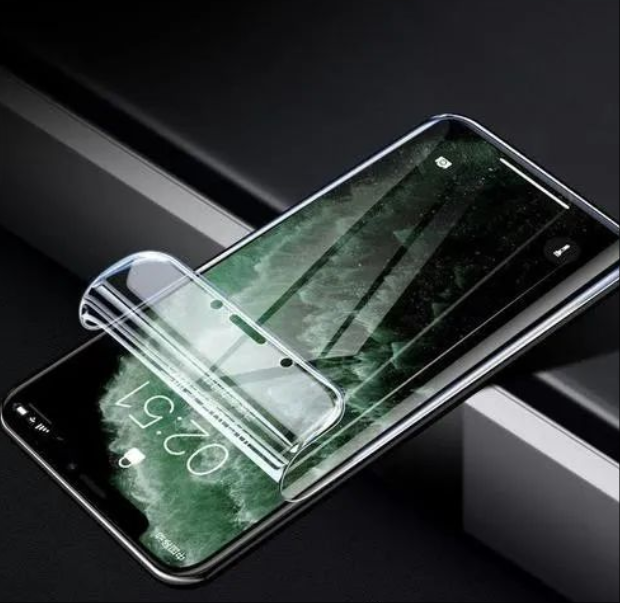
Hydragel film is a soft film, so it has little hardness. The benefits of using a hydrogel film include scratch resistance, excellent adhesion, and no white edge.
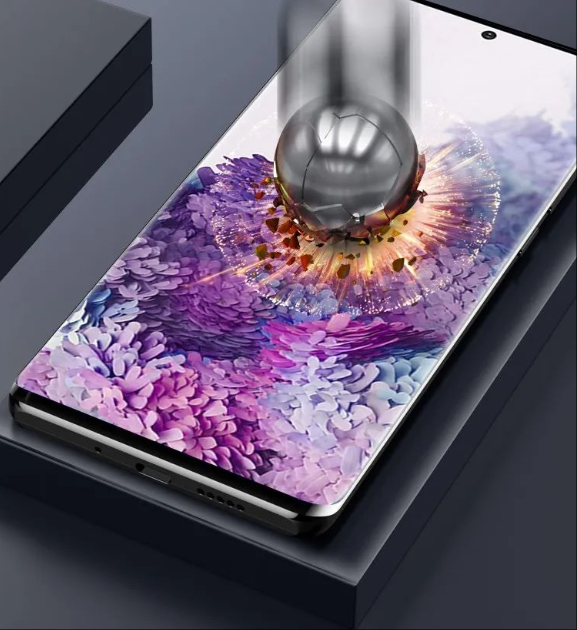
Tempered glass film, with its higher hardness, not only protects the screen from external wear and tear but also provides some drop protection, preventing the screen from cracking. However, its disadvantage is that tempered glass is difficult to bend, resulting in a white edge on most phones after application.
So, which is better, tempered glass or hydrogel film? There's really no definitive answer, as each has its own merits. If you prioritize durability and protection, tempered glass is your best bet. If you're after a perfectly smooth feel and a hydrogel finish, hydrogel film will satisfy your needs. Whichever screen protector you choose, it'll protect your beloved phone screen and give you a whole new experience!
