Samsung Note and S series OLED screens offer stunning visuals but are incredibly delicate. From immediate installation failures to gradual leakage, understanding root causes like ESD and frame deformation is key. Our latest guide explores common repair pitfalls and provides expert prevention tips to help you ensure high-quality repairs and minimize returns. Protect your screen investments today!
Common Causes of Samsung OLED Screen Damage and How to Prevent Them
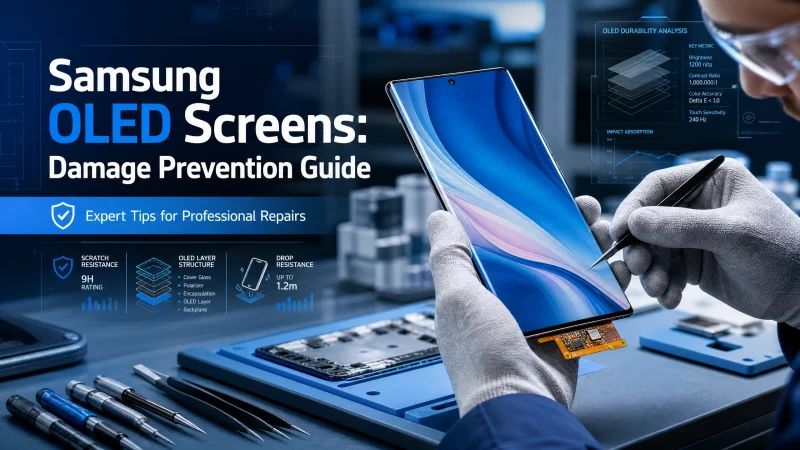
As a leading wholesale exporter of mobile phone screens, Cooperatlcd understands the critical importance of screen quality and durability. Samsung's Note and S series, with their stunning original OLED displays, are popular choices for repair shops and end-users alike. However, these advanced screens can be susceptible to various forms of damage if not handled and installed correctly. Understanding the common failure points and their root causes is key to minimizing returns and ensuring customer satisfaction. This blog post delves into the frequent issues observed with Samsung Note and S series OLED screens and provides actionable advice for prevention.
We've categorized the most prevalent types of damage and their underlying reasons to help you identify and mitigate risks during repair and usage.
1. Immediate Damage After Installation:
This category includes screens that fail right after being installed, often pointing to issues during the repair process itself.
• Hot-Plugging : Connecting or disconnecting the screen while the device still has power can cause electrical shorts and damage sensitive display components.
• Foreign Object Pressure : Even a tiny piece of debris or a misplaced component can exert localized pressure on the delicate OLED panel, leading to immediate pixel damage or cracks.
• Violent Pressure/Bending: Applying excessive force or bending the screen during installation can easily fracture the fragile OLED layers or flex cables.
• Screw Piercing : Using an incorrect screw length or over-tightening screws can cause them to pierce through the screen assembly, resulting in irreparable damage.
• Electrostatic Discharge (ESD) : Static electricity, often invisible, can severely damage the screen's integrated circuits if proper anti-static precautions are not taken.
2. Gradual Failure (1-7 Days Post-Installation):
Sometimes, screens appear fine initially but develop issues like lines, liquid leakage, or complete display failure within a week. These are often due to subtle stresses or latent defects.
• Mid-Frame Deformation : A bent or warped mid-frame can put uneven pressure on the screen, leading to internal stress that manifests as lines or leakage over time.
• Tiny Residual Adhesive : Small bits of old adhesive left on the frame can create pressure points, causing gradual damage to the screen.
• Swollen Battery : An expanding battery can push against the back of the screen, leading to internal damage that results in display anomalies or liquid leakage.
3. Touch Failure with Intact Appearance:
One of the most frustrating issues is when the screen looks perfect but the touch functionality is compromised. This indicates internal damage not visible externally.
• Electrostatic Breakdown : Similar to immediate damage, ESD can affect the touch controller, leading to unresponsive or erratic touch behavior.
• Flex Cable Breakage : The delicate flex cables connecting the screen to the motherboard can be easily torn or damaged during installation, resulting in partial or complete touch failure.
• Delamination Due to Heavy Pressure : Excessive pressure on the screen can cause the layers of the OLED panel or touch digitizer to separate, leading to touch issues.
4. Black Spots/Liquid Leakage at Corners:
This specific type of damage is often localized and points to external physical impact.
• Drops and Bumps : Even minor drops can cause localized impact, leading to internal liquid crystal leakage or damage that appears as black spots.
• Hard Object Squeezing : Pressure from a hard object, especially on the corners, can crush the OLED panel, resulting in characteristic black spots or liquid leakage.
Expert Advice: How to Prevent OLED Screen Damage:
To ensure the longevity and performance of Samsung Note and S series OLED screens, we recommend the following best practices for all repair technicians:
1. Always Disconnect Power: Before connecting or disconnecting any screen, always ensure the device is completely powered off and the battery is disconnected. Avoid hot-plugging at all costs.
2. Maintain a Clean Workspace: Thoroughly clean the device frame, removing all old adhesive and foreign particles before installing a new screen. Use appropriate tools to ensure a smooth, even surface.
3. Handle with Care: OLED screens are extremely fragile. Apply gentle, even pressure during installation. Never bend or twist the screen forcefully. Use specialized tools designed for screen installation.
4. Use Correct Screws: Always use the correct screw lengths and avoid over-tightening. Refer to service manuals for precise screw placement and torque specifications.
5.Implement ESD Precautions: Work in an anti-static environment. Use an ESD wrist strap, anti-static mat, and ensure all tools are properly grounded to prevent electrostatic discharge.
6.Inspect Mid-Frame and Battery: Before installing a new screen, carefully inspect the device's mid-frame for any deformation. Also, check the battery for any signs of swelling. Replace damaged components before screen installation.
7.Protect Flex Cables: Handle flex cables with extreme care. Avoid sharp bends, kinks, or excessive pulling. Ensure they are properly seated and secured without being pinched.
8.Educate End-Users: Advise your customers on proper phone handling, emphasizing the importance of using protective cases and avoiding drops or placing heavy objects on their devices.
By adhering to these professional guidelines, repair shops can significantly reduce the incidence of OLED screen damage, enhance repair quality, and build greater trust with their clientele.
At Cooperatlcd, we are committed to providing not just high-quality parts, but also the knowledge to ensure successful repairs.
With over a decade of specialized experience in the international mobile parts export sector, Cooperatlcd has established itself as a cornerstone of reliability for global wholesalers. Our commitment extends beyond the mere provision of high-grade OLED and LCD assemblies; we offer a comprehensive partnership grounded in technical excellence, rigorous quality assurance, and deep market insights. By aligning with Cooperatlcd, overseas distributors gain access to a resilient supply chain and professional support designed to mitigate operational risks and enhance service quality. We invite you to explore a collaboration that prioritizes your business growth and long-term success in the competitive repair industry.
Ready to Elevate Your Business?
At Cooperatlcd, we don't just provide parts; we provide the foundation for your business's success. Partner with a team that brings years of export expertise and technical mastery to your doorstep.
Contact the Cooperatlcd wholesale team today to discuss customized bulk pricing, tailored logistics solutions, and long-term supply agreements. Let’s secure your supply chain and grow your business together.
